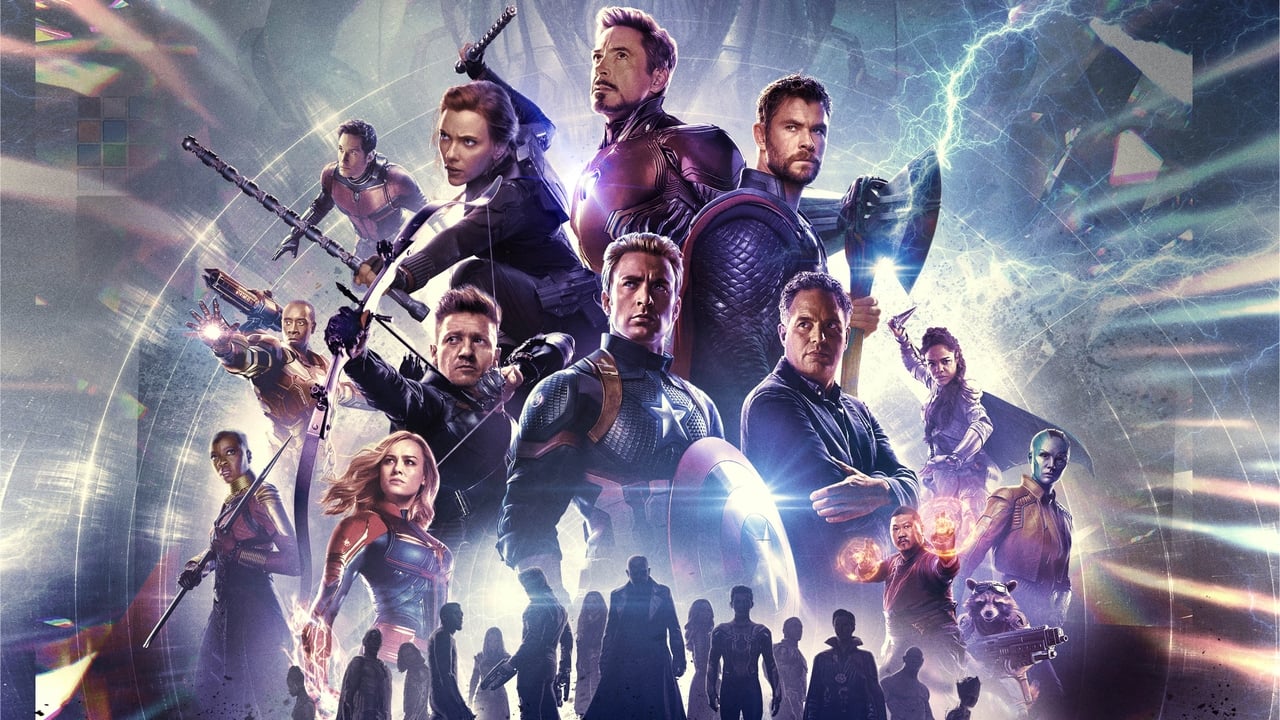
The Multiverse Saga has a problem that the Infinity Saga did not, and understanding it makes both Doomsday and Secret Wars much easier to read.
The Infinity Saga had one object
Everything from 2012 onwards could be tied to six stones. A viewer who had seen four films could follow a story told across twenty-three, because the through-line was a physical thing that could be shown in a single shot.
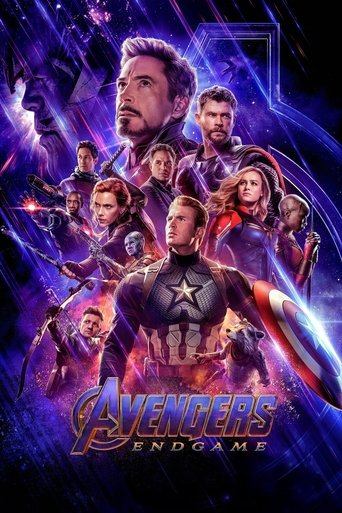
Endgame worked because it paid off that object. The time heist is a greatest-hits sequence, and it lands because the audience has seen those moments before.
The Multiverse Saga has a concept instead
You cannot put a multiverse on a table. The saga's through-line is an idea about how realities interact, which is harder to dramatise and much harder to make an audience care about. Several Phase 5 films struggled with exactly this.
The stones were a MacGuffin you could hold. Incursions are a physics lecture. That is the whole difficulty.
Doom is the solution
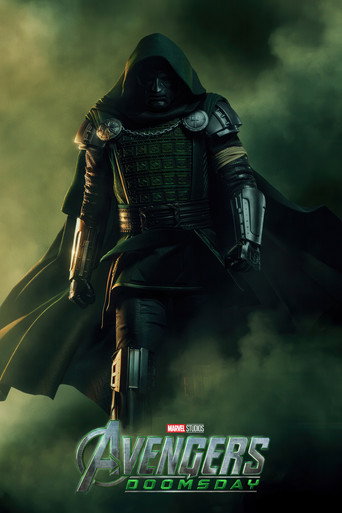
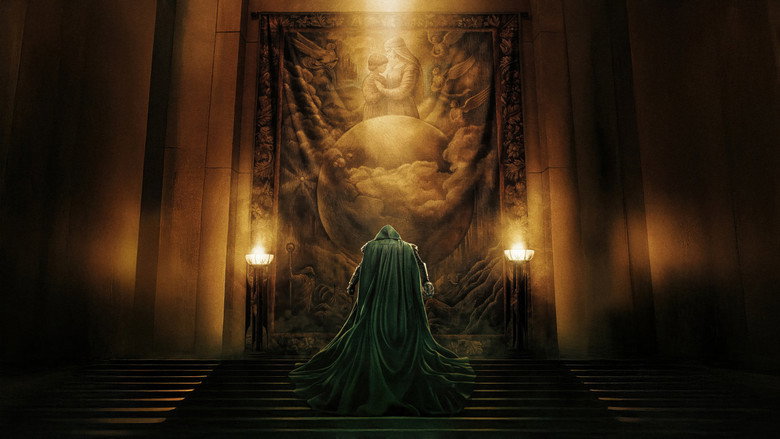
Casting Doctor Doom as the saga's antagonist converts an abstract problem into a person. An incursion is difficult to fear. A man who intends to cause one, and who has a reason, is not.
This is why the casting announcement mattered more than a casting announcement usually does, and why Marvel changed its logo colour to underline it.
What each film has to do
- Doomsday — introduce Doom, converge three universes, and make the audience believe the heroes can lose
- Secret Wars — resolve the incursions, close the saga, and reset the board for whatever comes next
That is a great deal of work for two films, and it is the reason the second one moved to December 2027. If you want the viewing order that makes this land, we have a guide.